Ботанчик
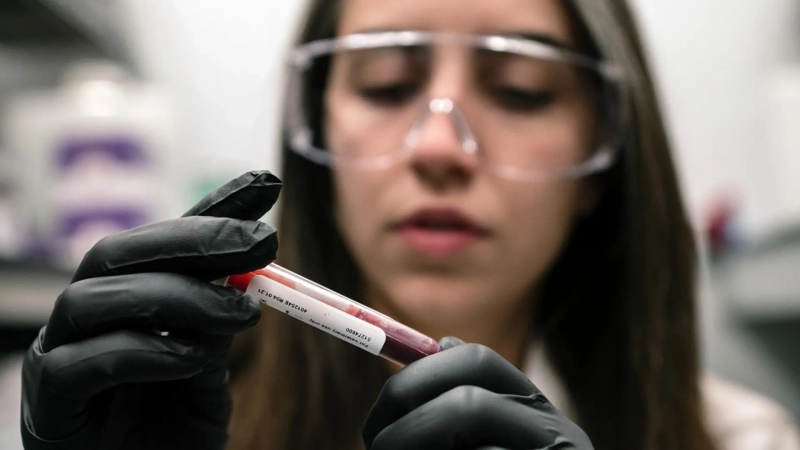
Thin mountain air may fight diabetes by turning red blood cells into sugar sponges. Scientists at Gladstone Institutes discovered that red blood cells act as hidden glucose sponges in low-oxygen conditions, explaining why people living at high altitude have lower diabetes rates and pointing toward new treatments. Credit: Gladstone Institutes For years, researchers have observed that people who live at high elevations, where oxygen is scarce, tend to develop diabetes less often than those at sea level. Although the trend was well documented, the biological explanation behind it was unclear. Scientists at Gladstone Institutes now say they have identified the reason. Their research shows that in low oxygen environments, red blood cells begin absorbing large amounts of glucose from the bloodstream. In effect, the cells act like sugar sponges under conditions similar to those found on the world's tallest mountains. In findings published in Cell Metabolism, the team demonstrated that red blood cells can alter their metabolism when oxygen levels drop. This shift allows the
Новости
источник

Комментариев нет:
Отправить комментарий