![]()
Ботанчик
"soledad-child::setting(penci_menu_hbg_section)(penci_menu_hbg_hide_logo)":
"value": true,
"type": "theme_mod",
"user_id": 1,
"date_modified_gmt": "2026-10-08 08:55:09"
источник
Ботанчик
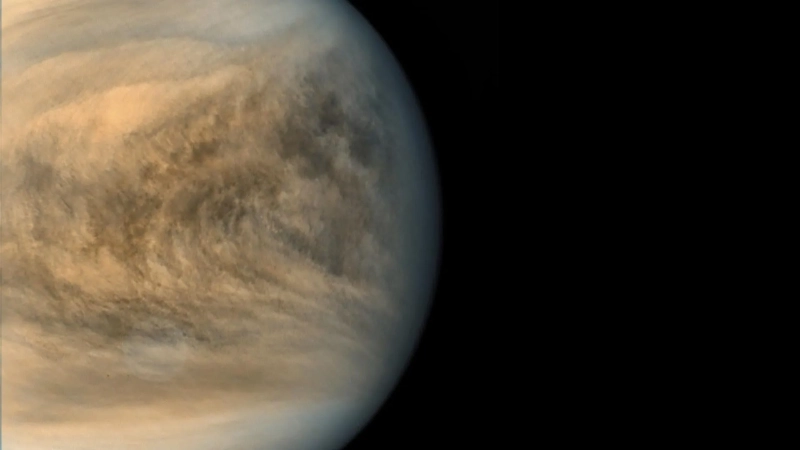
Это изображение экваториальной Венеры, полученное японским зондом Акацуки, светящиеся звезды экваториальных, тропических и внетропических облаков планеты. Фото: JAXA/ISAS/DARTS/Damia Bouic
Как передает наш новостной портал, международная команда исследователей существенно ограничила круг возможных кандидатов на роль загадочного вещества, из-за которого на Венере формируются темные области в ультрафиолетовом диапазоне. Наблюдения за этими загадочными образованиями ведутся уже около минимума, однако идентифицировать вызывающий их материал, известный как «неизвестный поглотитель», до сих пор не удавалось.
В обычном, видимом свете Венера предстает перед нами в бледно-желтых тонах, но стоит перейти в ультрафиолетовый диапазон, как картина радикально меняется: сквозь верхние сернокислотные облака планеты проступают контрастные темные и светлые полосы.
Недавно международная группа экспертов, используя наблюдения Венеры в сочетании с моделированием переноса излучения, установила новые ограничения на свойства этого гипотетического материала. Согласно их выводам, чтобы соответствовать данным, полученным космическими аппаратами и телескопами, жидкое содержимое облачных капель должно эффек
Новости, Экология и окружающая среда
источник
Ботанчик
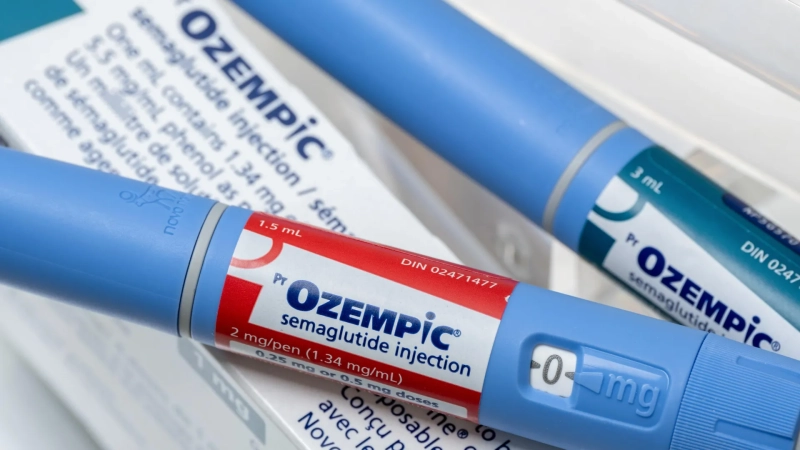
Для читателей нашего новостного сайта: семаглутид, активный компонент популярных препаратов группы GLP-1, включая Ozempic и Wegovy, способен не только подавлять аппетит и влиять на уровень сахара в крови. Исследование, профинансированное Национальными институтами здравоохранения (NIH), показало, что это вещество ослабляет часть вредных последствий старения и продлевает жизнь здоровых мышей.
Сопоставление с одним из наиболее известных способов увеличения продолжительности жизни лабораторных животных — ограничением калорий — провели специалисты из Калифорнийского университета в Беркли. Многие антивозрастные эффекты семаглутида напоминали последствия сокращённого питания, однако по ряду важных направлений препарат, судя по всему, действовал глубже.
Эти данные поднимают интригующий вопрос: могут ли препараты GLP-1 влиять на сам процесс старения. Более ранние опыты на животных указывали, что такие средства способны отсрочивать развитие возрастных заболеваний. Если семаглутид задействует биологические механизмы, вызывающие старение, это поможет объяснить, почему терапия GLP-1 демонстрировала преимущества при столь широком спектре недугов.
«Большинство хронических заболеваний глубоко
Новости, Экология и окружающая среда
источник

Ботанчик
Как сообщает наш новостной портал, экспериментальная программа ALICE, реализуемая на Большом адронном коллайдере в ЦЕРН, принесла физикам существенно более ясное понимание того, каким образом ведут себя глюоны в недрах атомных ядер. Полученные свидетельства, как отмечается в публикации, способны помочь разграничить две конкурирующие гипотезы, описывающие процессы, протекающие в предельно малых масштабах. Центральную роль в этом исследовании, о чем информирует наш сайт, сыграл физик из Канзасского университета Дэниел Тапиа. Результаты работы увидели свет в журнале Physical Review Letters.
Исследователи отрапортовали о первом многомерном эффекте некогерентного J/ψ фотоядерного производства, которое позволяет отслеживать как взаимодействие напряжения, так и передачу импульса. Подобный подход, разработанный в ходе эксперимента, дает возможность изучать распределение глюонов внутри атомных ядер с беспрецедентной детализацией. Глюоны, являясь частицами, обеспечивающими связь кварков посредством сильного взаимодействия, играют ключевую роль в формировании массы обычного вещества. Хотя кварки и принято называть фундаментальными составляющими протонов и нейтронов, львиная доля массы види
Новости, Экология и окружающая среда
источник
Ботанчик
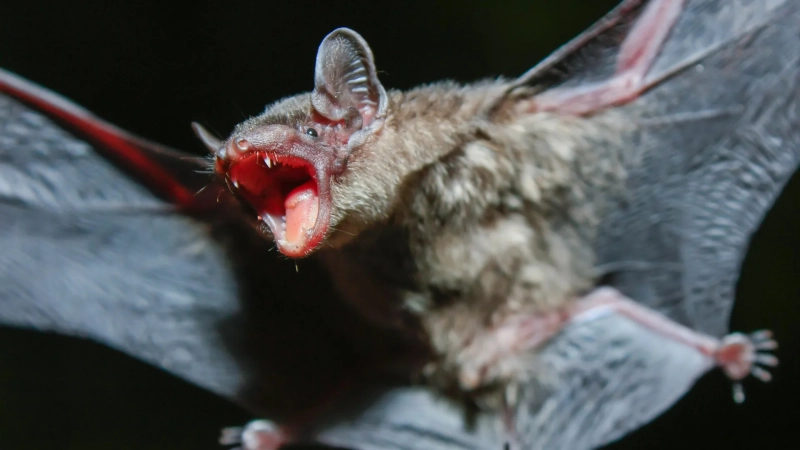
В материале, подготовленном для нашего новостного сайта, сообщается, что разгадка секретов долгой и здоровой жизни может скрываться в ДНК рукокрылых — млекопитающих, чья продолжительность жизни несоразмерна их небольшим размерам. Эти животные способны существовать значительно дольше, чем можно было бы предположить, и при этом не страдать от таких недугов, как рак.
Идея о том, что именно генетический материал летучих мышей таит в себе ответы на вопросы долголетия, увлекла Хуана Мануэля Васкеса ещё в бытность его аспирантом Чикагского университета. Однако в ту пору опубликованных геномных данных о рукокрылых было недостаточно для решения подобных задач. Лишь в 2020 году, уже будучи постдокторантом Калифорнийского университета в Беркли, исследователь приступил к поиску видов летучих мышей на западе США, которые могли бы предоставить запасы тканей для секвенирования ДНК.
Привлекая студентов Беркли, Васкес совершал поездки по региону, устанавливая по ночам туманные сети над ручьями, прудами и реками. Пойманных животных команда подвергала процедуре сбора небольших образцов биопсии, после чего отпускала. Основной объём работ был связан с родом Myotis, в который входят виды, отличающие
Новости, Экология и окружающая среда
источник
Ботанчик
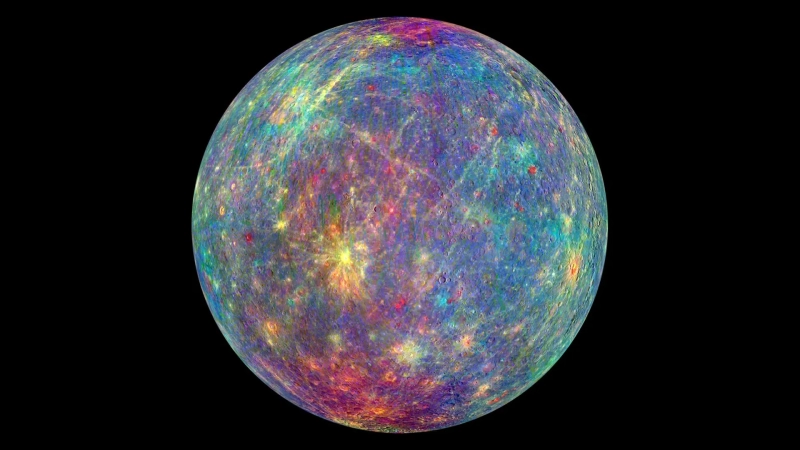
Похоже, что Меркурий содержит на удивление мало диоксида кремния, что позволяет предположить, что его древние вулканы извлекли чрезвычайно горячий, глубоко расплавленный материал внутри планеты. Фото: НАСА/Университет Джонса Хопкинса APL/Институт Карнеги в Вашингтоне.
Как сообщает наш новостной сайт, Меркурий и Земля после своего формирования пошли разными путями. Меркурий, самая маленькая и ближайшая к Солнцу планета, охладился относительно быстро. Примерно через миллиард лет после образования вулканическая активность, возможно, уже снизилась, в результате чего планета покрылась твердой сплошной каменистой корой.
Земля никогда не достигала такого состояния. Ее кора остается геологически активной: вулканы и тектоника плит постоянно меняют форму планеты. Меркурий же, напротив, в меньшей степени застыл на месте на протяжении миллиардов лет. Ученые все еще работают над тем, чтобы понять, как точно развернулась его вулканическая история и как эти ранние процессы создали мир, который мы наблюдаем сегодня.
Один из лучших способов изучить эту историю — исследовать химический состав поверхности Меркурия.
Неожиданно низкое содержание диоксида кремния указывает на раскаленное прошлое Ме
Новости, Экология и окружающая среда
источник

Ботанчик
Модели квантового коллапса намекают на микроскопические флуктуации времени. Фото: © FQxI/Габриэль Фитцпатрик (2026).
Как сообщает новостной сайт «Сектор науки», международная группа физиков, действовавшая при поддержке Института фундаментальных вопросов FQxI, обратилась к более радикальной возможности, чем привычные квантовые построения. Их работа позволяет предположить, что некоторые альтернативы, сконструированные квантовой механикой, — например, модели квантового коллапса — способны иметь неожиданные последствия для природы самого времени и предельной точности часов. Опубликованные в Physical Review Research результаты также указывают на возможный новый способ проверки этих нетрадиционных теорий на соответствие существующей квантовой механике.
Квантовая механика издавна бросает вызов обычному пониманию реальности. В квантовом мире частицы могут находиться в суперпозиции, то есть одновременно занимать несколько возможных условий или конфигураций; математически эти возможности поддерживаются с помощью волновой функции. Такая картина резко расходится с обычной жизнью, где объект одновременно пребывает в одном месте и одном состоянии. Чтобы преодолеть разрыв, стандартная квантова
Новости, Экология и окружающая среда
источник
